
Creating a sustainable and eco-friendly home garden is a rewarding way to connect with nature while reducing your environmental footprint. Whether you have a spacious backyard or a small balcony, implementing green gardening practices can help support local wildlife, conserve resources, and produce healthy, homegrown plants. Here are some helpful tips to guide you through designing and maintaining an environmentally friendly garden.
Choose Native Plants
Selecting native plants is one of the best ways to create a sustainable garden. These plants are well adapted to your local climate, soil, and wildlife, which means they tend to require less water, fewer fertilisers, and less maintenance.
– Benefits of native plants: They provide habitat and food for local insects, birds, and pollinators.
– Lower resource use: Native species generally need less watering and are more resistant to pests and diseases.
– How to start: Check with local gardening centres or wildlife organisations for native plant lists suited to your area.
Practice Water Conservation
Water is a precious resource, and conserving it in your garden reduces your environmental impact as well as water bills.
– Collect rainwater: Use a rain barrel to capture runoff from your roof for watering plants.
– Water wisely: Water plants early in the morning or late evening to reduce evaporation loss.
– Choose drought-tolerant plants: These require less frequent watering and thrive in dry conditions.
– Use mulching: A layer of mulch helps retain soil moisture and reduce weed growth.
Improve Soil Health Naturally
Healthy soil is the foundation of any thriving garden.
– Compost kitchen and garden waste: Composting returns valuable nutrients to the soil, reducing the need for chemical fertilisers.
– Avoid synthetic chemicals: Use natural pest control methods and organic fertilisers to maintain soil biodiversity.
– Grow cover crops: Plants like clover or legumes add nitrogen to the soil, improve texture, and prevent erosion during off seasons.
Encourage Biodiversity
A diverse garden ecosystem supports beneficial insects and wildlife, helping with pollination and natural pest control.
– Plant a variety of species: Include flowering plants that bloom at different times to provide continuous nectar.
– Create habitats: Add logs, stones, or small ponds to offer shelter and water sources for wildlife.
– Avoid pesticides: Chemicals can harm helpful insects and disrupt the balance of your garden.
Use Sustainable Materials
When building garden features, opt for eco-friendly materials to reduce waste and environmental damage.
– Choose recycled or reclaimed wood: For raised beds, fences, or garden furniture.
– Use natural fibres: For garden ties, mulch mats, or plant supports.
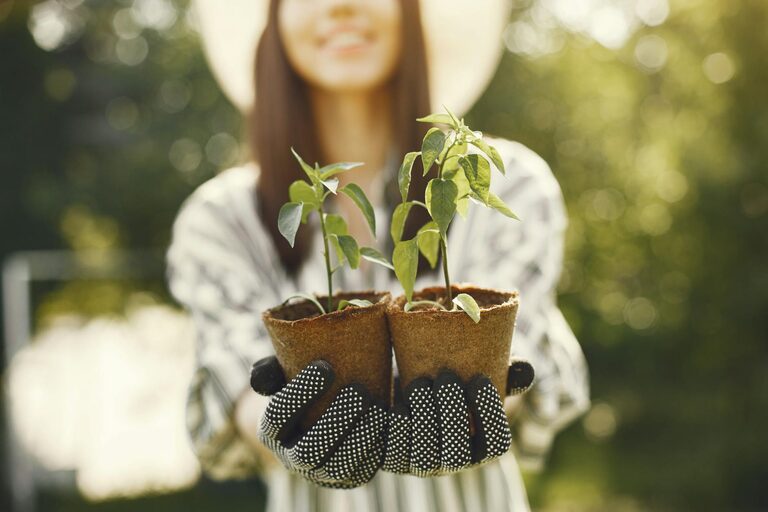
– Limit plastic use: Replace plastic pots with biodegradable alternatives or reusable pots made from sustainable materials.
Grow Your Own Food
Growing fruits, vegetables, and herbs reduces food miles, packaging waste, and gives you control over how your food is grown.
– Start small: Even a few pots on a windowsill can provide fresh herbs.
– Plan for seasonality: Grow different crops that thrive in each season to make the most of your space all year.
– Seed saving: Collect seeds from your plants to use next season, which can save money and maintain heirloom varieties.
Reduce Waste Through Smart Gardening
A sustainable garden also means producing less waste.
– Recycle garden waste: Grass clippings and leaves can be mulched or composted.
– Avoid single-use products: Choose durable tools and containers that last many seasons.
– Upcycle creatively: Turn old containers into plant pots or garden decorations.
Maintain Your Garden Sustainably
A little regular care goes a long way in keeping your garden healthy and eco-friendly.
– Monitor plant health: Catch pests or diseases early using non-chemical methods like handpicking or natural predators.
– Prune wisely: Promote strong, healthy growth to reduce vulnerability.
– Rotate crops: Change planting locations to prevent soil depletion and reduce disease risk.
Conclusion
Creating a sustainable and eco-friendly home garden is both simple and worthwhile. By selecting native plants, conserving water, nourishing your soil naturally, encouraging biodiversity, and growing your own food, you nurture the environment and enjoy the many benefits of green living. Start small and build your garden with care, knowing each step contributes to a healthier planet.
Happy gardening!