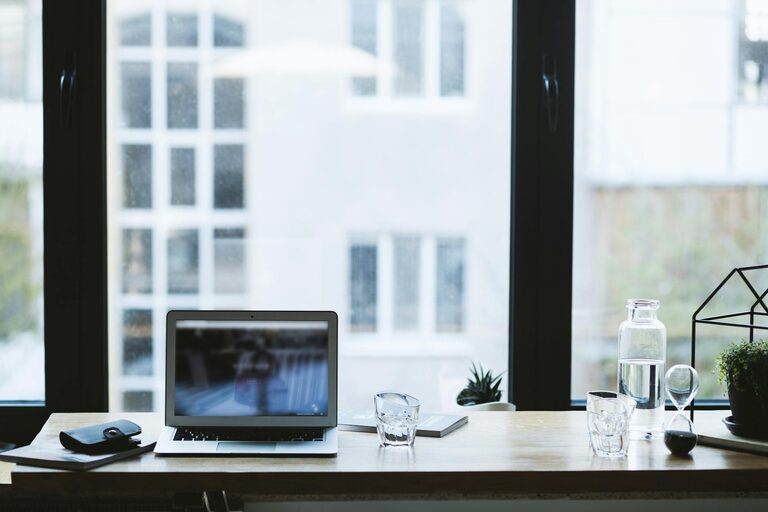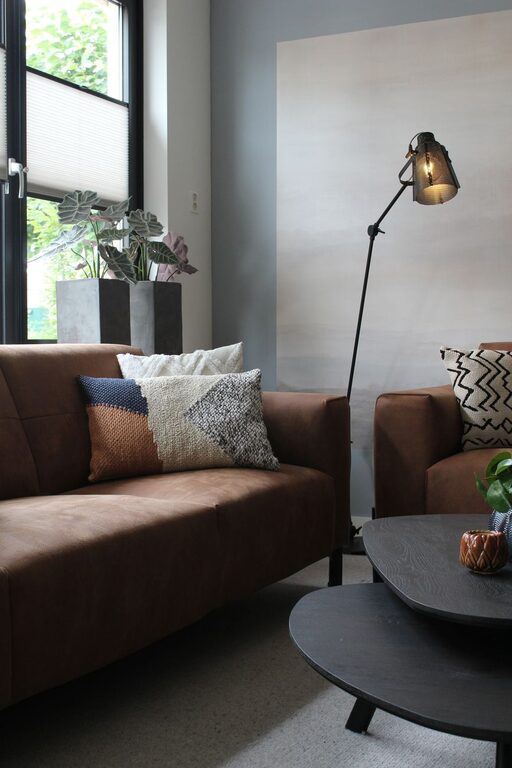
Creating a productive home office environment is essential for anyone working remotely or running a business from home. A well-designed workspace can improve focus, comfort, and overall job satisfaction. If you’re looking to enhance your home office setup, here are some practical tips to help you create a space that supports productivity and wellbeing.
Choose the Right Location
Selecting the ideal spot in your home for your office is the first step. Ideally, your workspace should be:
– Quiet: A room or corner away from household noise helps reduce distractions.
– Well-lit: Natural light is best for reducing eye strain and lifting your mood, so choose a space near a window if possible.
– Spacious enough: You should have enough room for your desk, chair, and any equipment without feeling cramped.
If space is limited, consider using room dividers or screens to separate your workspace visually from your living area.
Invest in Ergonomic Furniture
Comfort is key in a productive office setup. Poor posture can lead to discomfort and health problems, reducing your ability to focus. Look for:
– Ergonomic chair: Adjustable height, lumbar support, and comfortable cushioning are important.
– Desk at the right height: Your elbows should rest at around 90 degrees when typing.
– Monitor stands: Position your screen at eye level to avoid neck strain.
Taking care of your physical health through ergonomic furniture helps maintain energy throughout the workday.
Minimise Distractions
Distractions can significantly reduce productivity. Here are some ways to keep focus:
– Keep your phone on silent or in another room if not needed.
– Use noise-cancelling headphones if you can’t avoid background noise.
– Set clear boundaries with other household members about your working hours.
Also, organise your workspace so that only work-related items are in view to avoid visual clutter.
Optimise Lighting
Good lighting reduces eye strain and boosts your mood. Here are some tips:
– Maximise natural light, but avoid glare on your screen.
– Use a desk lamp with adjustable brightness for late hours.
– Consider light temperature — cooler white lights can increase alertness, while warmer tones create a relaxed atmosphere.
Balancing these aspects helps maintain comfort and productivity throughout the day.
Organise and Declutter
A tidy workspace promotes focus and saves time spent looking for things. To keep your home office organised:
– Use storage solutions like shelves, drawers, and boxes.
– Regularly declutter by removing unnecessary paperwork and items.
– Label files and storage spaces for easy access.
Organising your desk daily can also help set the tone for a productive day.
Personalise Your Space
While discipline is important, adding personal touches can make your home office more enjoyable. Consider:
– Adding plants to improve air quality and add a touch of nature.
– Hanging artwork or photos that inspire you.
– Choosing a colour scheme that energises or soothes you, depending on your preferences.
A pleasant environment can boost motivation and reduce stress.
Establish a Routine
A dedicated workspace will help if you also set clear daily routines:
– Start and finish work consistently to separate professional and personal time.
– Take regular breaks to stretch, hydrate, and rest your eyes.
– Use time management techniques such as the Pomodoro method (work for 25 minutes, then take a 5-minute break).
A routine encourages discipline and helps your brain associate your workspace with productivity.
Utilise Technology Wisely
Technology can either support or hinder productivity depending on how it is used:
– Ensure your internet connection is reliable to avoid frustration.
– Use productivity apps or tools that help with scheduling, task management, or reducing distractions.
– Keep your computer and devices updated and free from unnecessary software.
Leveraging the right tech setup enhances workflow and reduces interruptions.
Maintain Good Air Quality and Comfort
The atmosphere of your home office affects concentration and wellbeing:
– Keep the room well-ventilated to circulate fresh air.
– Maintain a comfortable temperature—not too hot or cold.
– Use a humidifier if the air feels too dry.
Creating a comfortable physical environment supports longer periods of productive work.
Conclusion
Designing a productive home office environment involves more than just choosing a desk and chair. Thoughtful choices about location, furniture, lighting, organisation, and routine all contribute to creating a space that encourages focus and efficiency. By paying attention to both your physical comfort and mental wellbeing, you can set yourself up for successful and satisfying work-from-home days. Start with small changes and gradually tailor your workspace to fit your needs and preferences for the best results.