
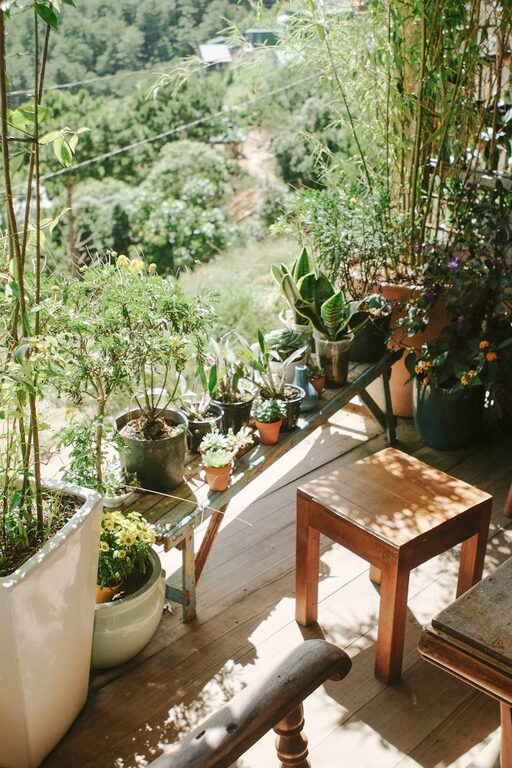
Creating a relaxing garden space at home is a wonderful way to connect with nature, unwind, and enjoy some peaceful moments away from daily stresses. Whether you have a large garden or a small balcony, a few thoughtful touches can transform your outdoor area into a serene haven. Below are practical tips to help you design a garden space that promotes relaxation and harmony.
Why Create a Relaxing Garden Space?
Gardens have long been valued not only for their beauty but also for their ability to soothe the mind and body. Spending time outside can reduce stress, improve mood, and nurture mindfulness. Designing a garden with relaxation in mind encourages you to slow down, appreciate nature, and enjoy your home environment more fully.
Start with a Clear Plan
Before planting or adding features, think about how you want to use your garden space. Do you want a quiet nook for reading, a space for yoga, or somewhere to entertain friends? Consider the amount of sunlight, privacy, and your personal preferences.
Key planning questions:
– What size area do I have available?
– How much maintenance am I willing to do?
– What time of day will I mostly use the garden?
– What elements help me feel relaxed (e.g., water, shade, colours)?
Choose Calming Colours and Plants
Colours play a big role in creating a soothing atmosphere. Opt for soft greens, blues, and purples, which are known to have calming effects. Avoid overly vivid colours that might feel too stimulating.
Recommended plants:
– Lavender: Known for its gentle fragrance and calming purple flowers
– Ferns: Provide lush greenery and thrive in shade
– Hostas: Lovely foliage plants that add texture
– Grasses: Such as ornamental grasses which sway gently in the breeze
– Herbs: Like chamomile and mint, which smell wonderful and can be used in teas
Arrange plants at different heights and textures to create visual interest without clutter.
Incorporate Comfortable Seating
A relaxing garden is incomplete without a cosy place to sit. Choose furniture that suits your garden style and ensures comfort.
Considerations for seating:
– Durable, weather-resistant materials such as treated wood, metal or rattan
– Cushions with water-resistant covers for added comfort
– A bench tucked under a shady tree or a hammock for ultimate relaxation
– A small table for drinks, books, or plants
Use Natural Elements and Features
Integrating natural elements adds authenticity and enhances the calming effect.
Suggestions include:
– Water features: A small fountain, birdbath or pond produces soothing sounds that reduce tension.
– Stone pathways: Create gentle curves to invite exploration rather than straight lines.
– Mulch and gravel: These provide texture and help control weeds, keeping the space tidy and restful.
– Wooden trellises or arches: Supports climbing plants like roses or clematis, adding shade and privacy.
Create Privacy and Shade
A sense of privacy helps you feel secure and relaxed. Use hedges, bamboo screens, or lattice panels to shield your garden from neighbours or busy streets.
For shade, consider:
– Planting trees or tall shrubs strategically to block harsh sunlight
– Installing pergolas or umbrellas for adjustable shade
– Using vines on structures to provide cooling greenery overhead
Add Soft Lighting
Lighting can extend the use of your garden into the evening while maintaining a peaceful atmosphere.
Ideas for gentle garden lighting:
– Solar-powered lanterns or fairy lights along pathways and borders
– Low-level spotlights highlighting key plants or water features
– Candles in lanterns or holders for a warm, flickering glow
Avoid harsh or bright lights that disrupt the calm.
Maintain Simplicity and Tidiness
A cluttered garden can feel stressful, so keep decorations and features to a minimum. Choose a consistent design theme and colour palette to create cohesion.
Maintenance tips:
– Regularly prune plants to keep shapes neat
– Remove weeds promptly
– Keep pathways clear and tidy
– Store tools and garden equipment out of sight
Add Personal Touches
Incorporate items that bring you joy and contentment. These could be a favourite statue, wind chimes, or a comfortable outdoor rug. Personal touches make the garden truly yours and encourage relaxation.
Make Time to Use Your Garden
Lastly, the best way to enjoy your relaxing garden space is to use it regularly. Try to dedicate a few minutes each day to sit quietly, meditate, read, or simply listen to the sounds of nature.
—
Creating a relaxing garden space is about balance and thoughtful choices that suit your lifestyle and preferences. With these tips, you can design an inviting outdoor retreat that refreshes your mind and nurtures wellbeing, right in your own home. Remember, the garden is a place to unwind—so keep it comfortable and welcoming, and enjoy the peaceful moments it offers.