
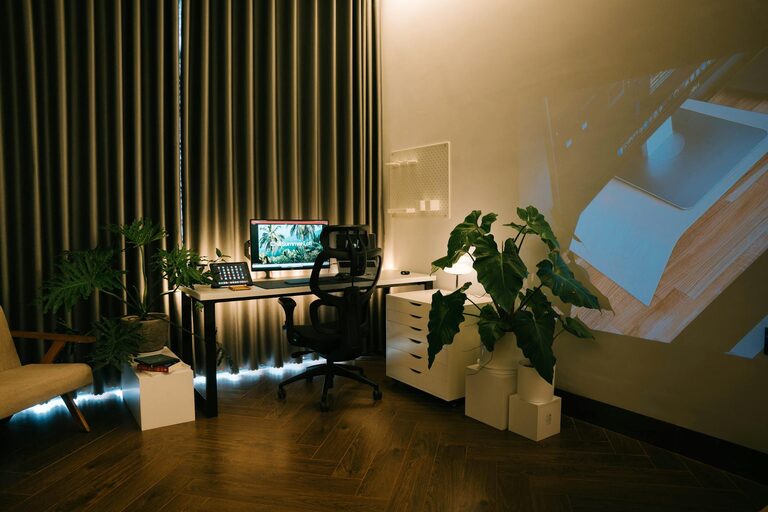
Creating a cosy and productive home office space is essential for anyone working remotely or managing tasks from home. A well-designed workspace not only boosts productivity but also enhances your comfort and overall well-being. In this post, we’ll explore practical tips to help you set up a home office that inspires focus without sacrificing warmth.
Choose the Right Location
Selecting the ideal spot for your home office is the first step towards creating a productive environment. Here are some considerations:
– Natural light: Opt for a space near a window to enjoy natural daylight, which can improve mood and reduce eye strain.
– Quietness: Choose a quiet corner or room where you are less likely to be disturbed by household noise.
– Separation: If possible, dedicate a specific room or area solely for work to help maintain a boundary between professional and personal life.
Invest in Comfortable and Functional Furniture
Comfort is key when spending long hours at your desk. Consider the following:
– Ergonomic chair: A supportive chair helps reduce back pain and promotes good posture.
– Desk size: Ensure your desk has enough space for your computer, documents, and other essentials without feeling cramped.
– Adjustable options: Height-adjustable desks or monitor stands can help you create an ergonomic setup suited to your needs.
Optimise Organisation and Storage
A tidy workspace promotes focus and efficiency. Here’s how to keep clutter under control:
– Storage solutions: Use shelves, drawers, or filing cabinets to store paperwork and office supplies neatly.
– Desk organisers: Incorporate trays, pen holders, or cable management tools to keep your work area orderly.
– Digital declutter: Regularly organise your computer files and emails to maintain a streamlined workflow.
Personalise with Warmth and Style
Adding personal touches can make your home office feel cosy and motivating. Try these ideas:
– Soft textiles: Include cushions, rugs, or throws to introduce texture and comfort.
– Plants: Greenery not only improves air quality but also creates a calming atmosphere.
– Decor: Display artwork, photos, or inspirational quotes that reflect your personality and boost your mood.
Control Lighting and Ambience
Proper lighting reduces eye strain and sets the tone for the room:
– Task lighting: Use desk lamps with adjustable brightness for focused work.
– Ambient lighting: Soft overhead or side lights provide a warm, inviting environment when natural light is insufficient.
– Light temperature: Opt for bulbs with a neutral to warm colour temperature to maintain alertness without harshness.
Manage Noise and Distractions
Maintaining concentration is easier in a controlled environment:
– Noise reduction: Consider rugs, curtains, or acoustic panels to minimise echo and absorb sound.
– Headphones: Noise-cancelling headphones can help block out unwanted background noise.
– Schedules and boundaries: Communicate your working hours and needs with household members to reduce interruptions.
Incorporate Break and Relaxation Areas
Even in a small home office, it’s valuable to have a space for short breaks:
– Comfortable seating: A small armchair or cushion can provide a change of posture.
– Movement space: Allow room for light stretches or a quick walk to refresh your body and mind.
– Refreshment station: Keep a water bottle or tea nearby to stay hydrated and energised throughout the day.
Keep Technology Efficient and Updated
Reliable technology supports smooth work processes:
– Fast internet: Ensure your internet connection is stable and fast, reducing frustration.
– Peripheral devices: Use external keyboards, mice, or monitors for increased comfort and productivity.
– Cable management: Organise wires to avoid tangling and maintain a tidy desk.
Maintain Regular Cleaning and Maintenance
A clean space naturally feels more inviting and professional:
– Daily tidying: Spend a few minutes each day to clear your desk of unnecessary items.
– Weekly cleaning: Dust surfaces, vacuum floors, and sanitise electronics regularly.
– Review setup: Periodically assess your workspace to make necessary adjustments or improvements.
Conclusion
Creating a cosy and productive home office is both an art and a science. By focusing on comfort, organisation, personalisation, and a healthy environment, you can build a space that supports your work goals and well-being. Whether you have a dedicated room or a small corner, these tips will help transform your home office into a place where creativity and focus flourish.