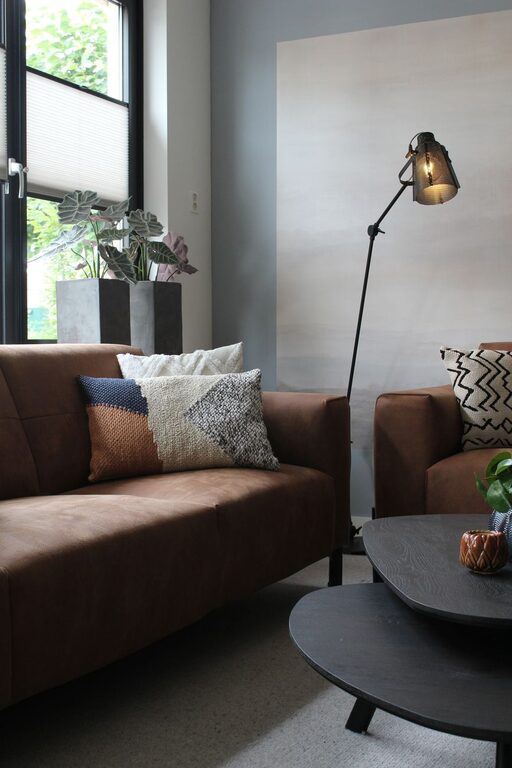

Creating a home office that is both relaxing and productive can greatly enhance your work-from-home experience. Whether you have a dedicated room or a small corner in your living space, the way you set up your workspace influences your mood, focus, and overall efficiency. In this post, we’ll explore key tips and ideas to help you design a home office environment that supports your best work, while keeping stress at bay.
Why a Relaxing and Productive Home Office Matters
Working from home offers flexibility but can also blur the boundaries between work life and personal life. A well-planned office space encourages concentration, reduces distractions, and helps maintain a healthy work routine. At the same time, a relaxing atmosphere keeps you calm, reduces fatigue, and makes long hours more enjoyable.
Choose the Right Location
Consider Natural Light
Position your desk near a window if possible. Natural light boosts mood and reduces eye strain. If natural light is limited, invest in good quality task lighting with adjustable brightness to prevent harsh shadows.
Avoid High-Traffic Areas
Select a quiet corner away from household noise and interruptions. This helps maintain focus and creates a boundary between work and leisure.
Invest in Comfortable and Supportive Furniture
Ergonomic Chair
A comfortable, adjustable chair supports your posture, reducing back and neck pain. Sitting comfortably is essential for long workdays.
Practical Desk
Choose a desk of appropriate height and size, offering enough surface area for your computer, paperwork, and any accessories. A clutter-free workspace encourages clear thinking.
Consider Standing Options
If possible, try a sit-stand desk or use a standing desk converter. Changing positions throughout the day improves circulation and energy.
Organise and Declutter Your Workspace
Keep Essentials Handy
Store frequently used items within easy reach. This saves time and prevents frustration.
Use Storage Solutions
Boxes, shelves, drawers, and organisers help keep your desk tidy. Label containers to quickly find what you need.
Regularly Clear Your Desk
Make it a habit to tidy your workspace at day’s end. A clean area makes it easier to start fresh the next day.
Create a Personal but Professional Atmosphere
Add Plants
Indoor plants improve air quality and create a calming environment. Small succulents or a peace lily are easy to maintain.
Personalise Tastefully
Photos, artwork, or inspiring quotes can motivate you, but avoid overcrowding. Limit decor to a few meaningful items.
Use Calming Colours
Soft blues, greens, or neutrals create a soothing backdrop. Avoid overly bright or distracting colours.
Minimise Distractions and Improve Focus
Manage Noise
Use noise-cancelling headphones or white noise machines to block out background sounds. Alternatively, play soft instrumental music to maintain concentration.
Set Boundaries
Inform family members or housemates of your working hours. Use a sign or closed door to signal when you shouldn’t be disturbed.
Limit Digital Interruptions
Turn off unnecessary notifications and designate specific times to check emails or social media.
Optimise Technology and Connectivity
Reliable Internet
A fast and stable internet connection is essential for video calls, cloud-based work, or large downloads.
Ergonomic Accessories
Consider an external keyboard, mouse, and monitor to prevent strain, especially if using a laptop.
Cable Management
Use clips, sleeves, or ties to organise cables and avoid a tangled mess, keeping your desk neat and reducing hazards.
Enhance Your Wellbeing Throughout the Workday
Take Regular Breaks
Adopt the Pomodoro technique or schedule short pauses to stand, stretch, or move around. This helps reduce physical and mental fatigue.
Hydration and Snacks
Keep water and healthy snacks nearby to maintain energy levels without interrupting workflow.
Adjust Lighting and Temperature
Ensure your workspace is well-lit but not glaring. Maintain a comfortable room temperature to stay alert yet comfortable.
Incorporate Relaxation Elements
Use Aromatherapy
A subtle diffuser with lavender or citrus scents can promote calmness and focus.
Comfortable Break Area
If space allows, set up a corner with a comfy chair or cushion for reading or relaxing during breaks.
Practice Mindfulness
Brief mindfulness exercises or deep-breathing techniques can help reset your mind, improving concentration and reducing stress.
—
Creating a home office that nurtures both productivity and relaxation is achievable with thoughtful planning and attention to detail. By organising your workspace, investing in comfort, and setting clear boundaries, you can foster an environment that supports your best work while keeping stress at bay. Start with small changes and adjust as you discover what makes your home office uniquely effective for you.