
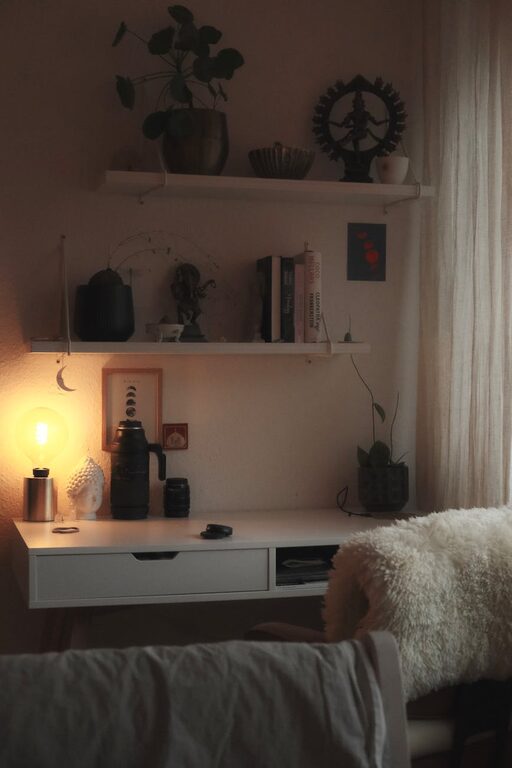
Creating a relaxing home workspace environment is essential for maintaining productivity and reducing stress while working from home. A well-designed workspace can positively affect your mood, focus, and overall well-being. Whether you have a dedicated room or a small corner, these practical tips will help you create a calming and comfortable work area tailored to your needs.
Choose the Right Location
Selecting the ideal spot for your workspace is the first step to creating a relaxing environment.
– Natural light: Position your desk near a window to benefit from natural daylight, which can boost your mood and energy levels.
– Minimal distractions: Pick a quiet area away from household noise or high-traffic zones.
– Comfortable space: Ensure there’s enough room for your equipment and movement to avoid feeling cramped.
Invest in Ergonomic Furniture
Comfort is key to a relaxing workspace. Ergonomic furniture supports your posture and helps prevent physical discomfort.
– Ergonomic chair: Choose a chair with adjustable height, lumbar support, and comfortable padding.
– Desk height: Ensure your desk allows for your elbows to rest comfortably at a 90-degree angle when typing.
– Footrest: If your feet don’t reach the floor comfortably, consider a footrest to alleviate pressure.
Keep the Space Organised
A tidy workspace contributes to a clear mind, making it easier to focus and feel at ease.
– Declutter regularly: Remove unnecessary items to maintain a clean surface.
– Storage solutions: Use drawers, shelves, or organisers to keep stationery and documents neat.
– Cable management: Use clips or covers to prevent tangled wires, reducing visual clutter.
Use Calming Colours and Decor
Colours and decor can significantly impact your mood and concentration.
– Soothing colours: Opt for soft hues like blues, greens, or neutrals to create a calming atmosphere.
– Personal touches: Add a few meaningful items such as photos, artwork, or plants for a comfortable feel.
– Minimal distractions: Avoid overly busy patterns or excessive ornamentation that could draw your attention away.
Incorporate Natural Elements
Bringing nature indoors can improve your workspace environment and help you relax.
– Houseplants: Easy-care plants like succulents, peace lilies, or spider plants can improve air quality and add greenery.
– Natural materials: Use wood, stone, or woven textures for a warm and inviting look.
– Fresh air: Open windows regularly to circulate fresh air and create a more pleasant atmosphere.
Control Lighting and Noise
Managing light and sound is essential for staying focused and comfortable.
– Adjustable lighting: Use a desk lamp with adjustable brightness for task lighting, especially in the evenings.
– Soft lighting: Incorporate ambient light sources like floor lamps or fairy lights to reduce harsh shadows.
– Noise control: Use noise-cancelling headphones or soft background music to block distractions if you cannot find a quiet spot.
Create a Routine and Flexible Space
A relaxing workspace should also support your working habits and allow for flexibility.
– Define work zones: If possible, separate your workspace from leisure areas to help mentally switch between work and rest.
– Adjustable setup: Use a sit-stand desk or alternate between sitting and standing to promote movement.
– Break area: Include a small corner or chair nearby for breaks and relaxation.
Maintain Good Air Quality and Temperature
Comfortable air and temperature levels improve focus and relaxation.
– Ventilation: Keep your workspace well-ventilated with fresh air or an air purifier.
– Temperature control: Use fans, heaters, or adjust your thermostat to maintain a comfortable temperature.
– Humidity: Avoid overly dry or damp air by using a humidifier or dehumidifier if necessary.
Limit Digital Distractions
Technology can be a source of stress if not managed carefully.
– Notification management: Turn off unnecessary notifications or use ‘Do Not Disturb’ modes.
– Organised desktop: Keep digital files and folders organised to reduce screen clutter.
– Regular breaks: Step away from screens regularly to rest your eyes and mind.
—
By applying these tips, you can transform your home workspace into a relaxing environment that enhances productivity and well-being. Remember that small changes, such as tidying your desk or adding a plant, can make a big difference over time. Making your home office a pleasant and stress-free place will not only help you work better but also improve your overall comfort during your workday.